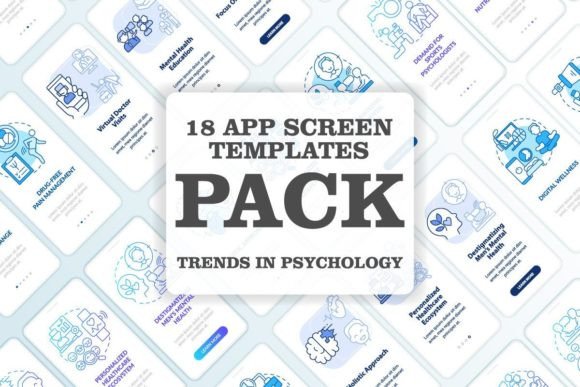
Trends in Psychology Mobile App Screens: A Comprehensive Guide
Understanding the trends in psychology mobile app screens is crucial for anyone involved in the development, design, or use of mental health applications. These trends not only enhance user experience but also contribute to the overall effectiveness of the app in supporting mental well-being.
Key Characteristics and Purpose
The primary purpose of trends in psychology mobile app screens is to create a seamless and engaging user interface (UI) that supports mental health. These screens are designed with a focus on usability, clarity, and emotional resonance. The key characteristics include:
- User-Friendly Design: Intuitive navigation and clear, concise instructions.
- Emotionally Resonant Visuals: Use of calming colors and soothing graphics to promote a positive user experience.
- Interactive Elements: Engaging features such as mood tracking, guided meditations, and journaling tools.
Strengths and Practical Value
The trends in psychology mobile app screens offer several strengths that make them valuable for both developers and users. These include:
- Enhanced User Engagement: By incorporating interactive and visually appealing elements, these screens keep users engaged and motivated to continue using the app.
- Improved Accessibility: Clear and simple designs make the app accessible to a wide range of users, including those with varying levels of technical proficiency.
- Data-Driven Insights: Features like mood tracking and journaling provide valuable data that can be used to monitor and improve mental health over time.
Real-World Performance and Usability
In real-world use, trends in psychology mobile app screens have shown to be highly effective. Users report a more intuitive and enjoyable experience, leading to increased app usage and better mental health outcomes. The consistency and reliability of these screens ensure that users can depend on the app as a reliable tool for managing their mental well-being.
Quality and Consistency
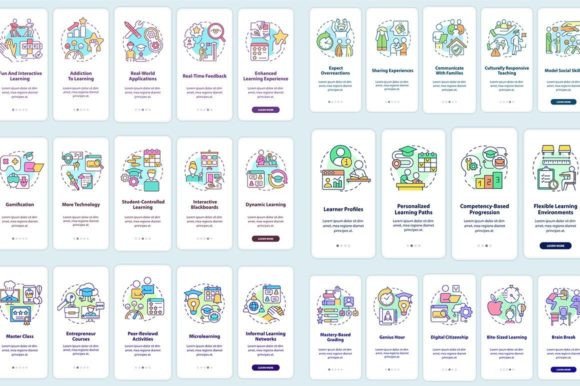
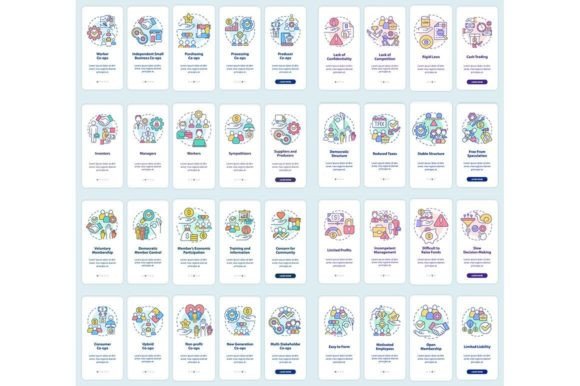
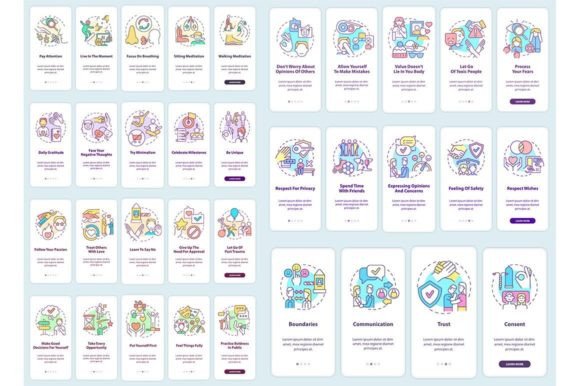
The quality of trends in psychology mobile app screens is evident in their attention to detail and adherence to best practices in UI/UX design. The use of Myriad Pro-Bold and Regular fonts, along with a cohesive color scheme, contributes to a professional and polished look. The inclusion of 6 blue, 6 blue gradient, and 6 light blue mobile app screens provides a versatile and visually appealing set of options.
Flexibility and Long-Term Value
One of the most significant benefits of trends in psychology mobile app screens is their flexibility. These screens can be easily adapted to fit various mental health apps, from stress management to cognitive behavioral therapy (CBT). The long-term value lies in their ability to support ongoing mental health maintenance, making them a worthwhile investment for both developers and users.
Who Can Benefit Most?
Trends in psychology mobile app screens are particularly beneficial for:
- Developers: Those looking to create high-quality, user-friendly mental health apps.
- Mental Health Professionals: Therapists and counselors who want to recommend or integrate these apps into their practice.
- End Users: Individuals seeking to manage their mental health through accessible and engaging tools.
Professional Observations and Recommendations
From a professional standpoint, trends in psychology mobile app screens stand out for their thoughtful design and practical functionality. They are an excellent choice for anyone looking to create or use a mental health app that is both effective and user-friendly. However, it's important to consider the specific needs and preferences of your target audience when selecting and implementing these screens.
For developers, I recommend thoroughly testing these screens with a diverse group of users to ensure they meet the needs of different demographics. For end users, it's essential to choose an app that aligns with your personal goals and preferences for mental health management.
In conclusion, trends in psychology mobile app screens offer a robust and flexible solution for enhancing the user experience in mental health apps. Their high-quality design, practical features, and long-term value make them a valuable resource for developers, mental health professionals, and end users alike.