Transforming Urban Life: Smart City with Wireless Communication
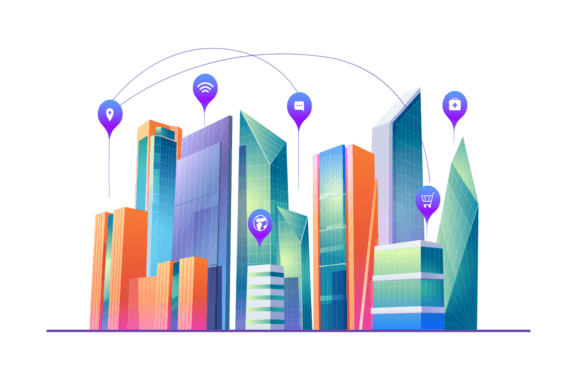
Smart City with Wireless Communication is a modern urban concept that integrates advanced wireless technologies and the Internet of Things (IoT) to enhance the quality of life for residents, improve city management, and promote sustainability. Imagine a bustling cityscape with skyscrapers, hospitals, shops, and media centers, all interconnected through a seamless digital infrastructure. This vision is not just a futuristic dream; it's becoming a reality in many cities around the world.
Wireless Communication in Daily Life
In a smart city, wireless communication plays a pivotal role in connecting various elements of the urban environment. For instance, wireless sensors can monitor air quality, traffic flow, and energy usage, providing real-time data to city planners and residents. This data can be used to make informed decisions, such as adjusting traffic lights to reduce congestion or optimizing energy consumption in buildings.
- Public Transportation: Real-time tracking of buses and trains, along with mobile apps that provide schedules and updates, make getting around the city more efficient and convenient.
- Healthcare: Hospitals can use wireless communication to monitor patients remotely, track medical equipment, and even perform telemedicine consultations, improving access to healthcare services.
- Retail: Shops can offer personalized shopping experiences through beacon technology, which sends promotions and discounts directly to customers' smartphones based on their location and preferences.
Enhancing Public Safety and Security
One of the most significant benefits of a smart city with wireless communication is the enhancement of public safety and security. Wireless cameras and sensors can be strategically placed throughout the city to monitor for potential threats, such as fires, accidents, or criminal activity. These systems can automatically alert authorities and provide them with real-time information, enabling quicker response times and more effective emergency management.
For example, during a natural disaster, a smart city's wireless network can quickly disseminate critical information to residents, such as evacuation routes and shelter locations. This can help save lives and minimize the impact of the disaster.
Improving Energy Efficiency and Sustainability
Wireless communication also plays a crucial role in making cities more energy-efficient and sustainable. Smart grids, which use wireless technology to manage and distribute electricity, can optimize energy usage by adjusting supply based on demand. This not only reduces energy waste but also helps to lower costs for both the city and its residents.
Additionally, smart buildings equipped with wireless sensors can automatically adjust lighting, heating, and cooling based on occupancy and environmental conditions. This not only enhances comfort but also significantly reduces the carbon footprint of the city.
Challenges and Considerations
While the benefits of a smart city with wireless communication are numerous, there are also challenges and considerations to keep in mind. One of the primary concerns is data privacy and security. With so much data being collected and transmitted, it's essential to have robust security measures in place to protect against cyber threats and ensure that personal information is handled responsibly.
Another consideration is the cost and infrastructure required to implement these technologies. Upgrading existing infrastructure and deploying new wireless networks can be expensive, and cities must carefully plan and budget to ensure that the benefits outweigh the costs. Collaboration between government, private sector, and community stakeholders is crucial to the success of these initiatives.
Empowering Citizens and Businesses
Ultimately, a smart city with wireless communication is about empowering citizens and businesses to live and work more efficiently and sustainably. By leveraging the power of wireless technology and IoT, cities can create a more connected, responsive, and resilient urban environment.
For businesses, this means new opportunities for innovation and growth. For example, a retail store can use wireless beacons to offer personalized shopping experiences, while a tech company can develop new applications and services that leverage the city's digital infrastructure.
For citizens, it means a better quality of life, with improved access to services, enhanced safety, and a more sustainable environment. Whether it's finding the fastest route to work, receiving timely health updates, or enjoying a more comfortable and energy-efficient home, the benefits of a smart city with wireless communication are tangible and impactful.
As more cities around the world embrace this technology, the future of urban living looks more promising than ever. The integration of wireless communication and IoT is not just a trend; it's a transformative force that is reshaping the way we live, work, and interact in our cities.