Understanding Asthma Symptoms in Allergic People
Asthma is a common respiratory condition that affects millions of people worldwide, particularly those with allergies. For allergic individuals, asthma symptoms can be more frequent and severe, making it crucial to understand and manage these signs effectively.
Visualizing Asthma and Allergies: A Medical Infographic
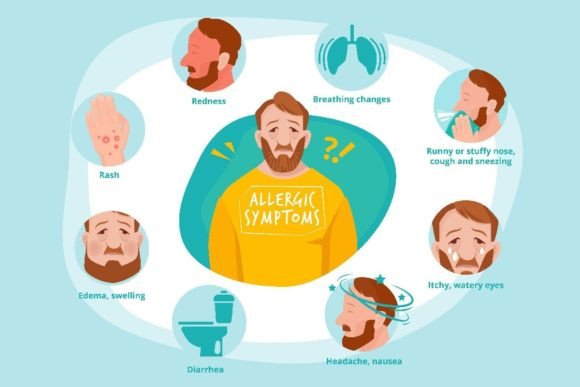
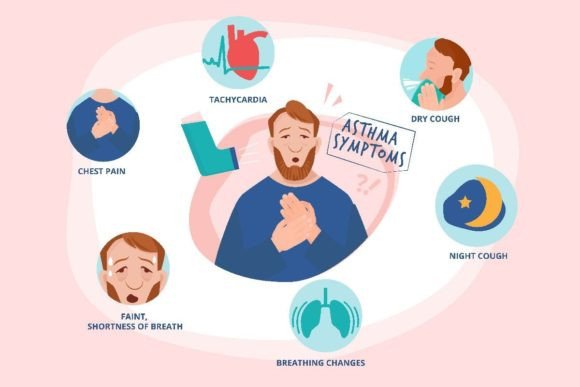
Imagine a detailed infographic that captures the essence of asthma and allergy interactions. This visual tool would highlight key symptoms, triggers, and management strategies, making it an invaluable resource for both patients and healthcare providers. The infographic could feature a vector design with clear, relatable illustrations of sick persons, medical symbols, and respiration difficulties, all aimed at enhancing understanding and empathy.
Common Asthma Symptoms in Allergic Individuals
- Breathlessness: Feeling short of breath, especially during physical activity or when exposed to allergens.
- Coughing: Persistent cough, often worse at night or early morning.
- Chest Tightness: A feeling of constriction or pressure in the chest.
- Wheezing: A whistling sound when breathing, particularly during exhalation.
These symptoms can significantly impact daily life, making it essential to recognize and address them promptly. For allergic people, these symptoms are often exacerbated by specific triggers such as pollen, dust mites, and pet dander.
Managing Asthma in Allergic People
Effective management of asthma in allergic individuals involves a combination of medication, lifestyle adjustments, and environmental control. Here are some practical tips:
- Identify and Avoid Triggers: Keep a diary to track what triggers your asthma and take steps to minimize exposure.
- Medication Adherence: Follow your prescribed treatment plan, which may include inhaled corticosteroids and bronchodilators.
- Regular Monitoring: Use a peak flow meter to monitor lung function and detect early signs of an asthma attack.
- Emergency Plan: Have a written asthma action plan from your doctor, detailing what to do in case of an asthma attack.
By staying vigilant and proactive, allergic individuals can better manage their asthma symptoms and enjoy a higher quality of life.
Creating Awareness and Support
Raising awareness about asthma and its impact on allergic people is crucial. Educational materials, such as infographics and brochures, can help spread knowledge and support. These resources should be visually engaging, using clear, easy-to-understand graphics and text to convey important information.
For designers, marketers, and content creators, incorporating these elements into your projects can make a significant difference. Whether you're designing a website, creating social media graphics, or developing print materials, the right visuals and messaging can enhance understanding and engagement.
Conclusion: A Collaborative Approach to Asthma Management
Managing asthma in allergic individuals requires a collaborative effort between patients, healthcare providers, and the broader community. By understanding the symptoms, triggers, and effective management strategies, we can all play a role in improving the lives of those affected by this condition.
Remember, the key to successful asthma management is education, awareness, and support. Let's work together to create a healthier, more informed environment for everyone.