Understanding Allergic Symptoms in Infected Humans
Allergic symptoms in infected humans can be a complex and often confusing topic. These symptoms, which can range from sneezing and coughing to more severe reactions like asthma, are not just a nuisance but can significantly impact one's quality of life. Whether you're a beginner trying to understand your own symptoms or a professional looking to help others, this article aims to provide a comprehensive overview.
What Are Allergic Symptoms in Infected Humans?
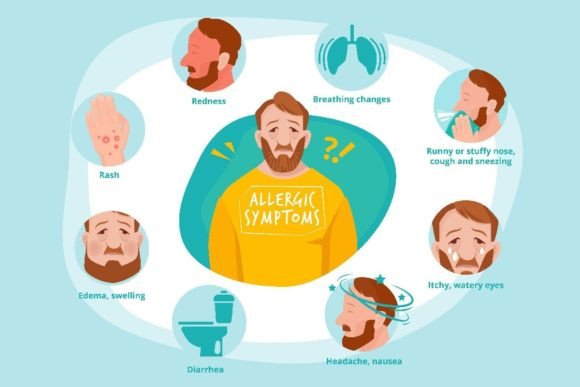
Allergic symptoms in infected humans occur when the immune system overreacts to a typically harmless substance, such as pollen, dust, or pet dander. This overreaction can be exacerbated by an existing infection, leading to more pronounced and persistent symptoms. Common allergic symptoms include:
- Sneezing: A frequent and often uncontrollable reflex to clear the nasal passages.
- Coughing: Often dry and persistent, especially if the allergen is airborne.
- Runny or stuffy nose: Nasal congestion and discharge can be constant and uncomfortable.
- Itchy eyes, nose, and throat: Irritation and discomfort that can be very distracting.
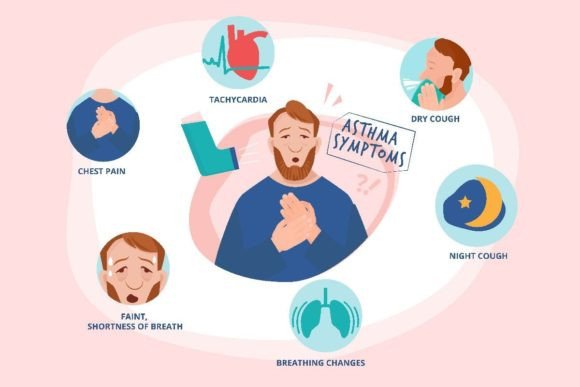
- Asthma: In more severe cases, allergic reactions can trigger asthma attacks, causing difficulty in breathing.
Beginners and Consumers
For beginners and consumers, understanding allergic symptoms is crucial for managing day-to-day health. Recognizing the signs and knowing when to seek medical help can make a significant difference. For instance, if you notice a pattern of sneezing and coughing every time you enter a specific environment, it might be worth investigating potential allergens.
Professionals and Educators
Professionals and educators, such as doctors, nurses, and teachers, need a deeper understanding of allergic symptoms to effectively help their patients and students. They must be able to identify and manage these symptoms, especially in environments where infections can spread easily, such as schools and hospitals. For example, a teacher might need to adjust classroom activities to minimize exposure to allergens for students with known allergies.
Business Owners and Creators
Business owners and creators, particularly those in the hospitality and retail sectors, must consider the comfort and safety of their customers. Providing a clean and allergen-free environment can enhance customer satisfaction and loyalty. For instance, a restaurant owner might invest in air purifiers and regular deep cleaning to reduce the presence of allergens, making the dining experience more pleasant for all patrons.
Ease of Use and Cost
For many, the ease of use and cost of managing allergic symptoms are top priorities. Over-the-counter antihistamines and decongestants can be effective and affordable, but they may not be suitable for everyone. Consulting a healthcare provider for a tailored treatment plan can sometimes be more cost-effective in the long run, especially for chronic conditions.
Quality and Flexibility
The quality and flexibility of treatment options are also important. Some individuals may require more advanced treatments, such as immunotherapy, which involves gradually exposing the body to increasing amounts of the allergen to build tolerance. This approach, while more intensive, can offer long-term relief and is highly customizable to individual needs.
Reliability and Long-Term Usefulness
Reliability and long-term usefulness are key considerations, especially for those with chronic allergies. Regular monitoring and adjustments to treatment plans can ensure that symptoms are managed effectively over time. For example, a person with seasonal allergies might start taking medication a few weeks before the allergy season begins to prevent symptoms from developing.
Identifying Your Needs and Goals
To determine whether a particular approach to managing allergic symptoms in infected humans aligns with your needs and goals, consider the following:
- Severity of Symptoms: Assess how much your symptoms impact your daily life. Mild symptoms might be manageable with simple measures, while severe symptoms may require more intensive treatment.
- Environment and Exposure: Consider the environments you frequent and the potential allergens you are exposed to. This can help you take proactive steps to reduce exposure and manage symptoms.
- Medical History and Overall Health: Your medical history and overall health can influence the type of treatment that is most appropriate. Discussing your specific situation with a healthcare provider can help you make informed decisions.
- Long-Term Goals: Think about your long-term health goals. If you aim to reduce reliance on medications or achieve lasting relief, more advanced and potentially longer-term treatments might be worth considering.
By understanding and addressing allergic symptoms in infected humans, you can improve your quality of life and better support those around you. Whether you are a beginner, a professional, or a business owner, there are practical and effective ways to manage and mitigate these symptoms.