Understanding Diabetes Symptoms and Their Importance in Health Care
Diabetes is a chronic condition that affects how the body processes blood sugar (glucose). Recognizing diabetes symptoms early can significantly impact the management and treatment of the disease. This article delves into the key characteristics, practical value, and real-world applications of diabetes symptoms in health care, providing a comprehensive guide for adults aged 20–50.
The Basics of Diabetes Symptoms
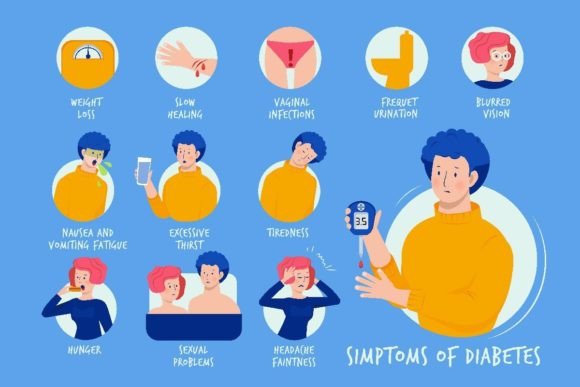
Diabetes symptoms can vary but typically include frequent urination, excessive thirst, extreme hunger, unexplained weight loss, presence of ketones in the urine, fatigue, and blurred vision. These symptoms are crucial indicators that the body is not using insulin effectively or is not producing enough insulin. Early detection through these symptoms can lead to timely medical intervention, which is essential for managing the condition and preventing complications.
Key Characteristics and Purpose
The primary purpose of understanding diabetes symptoms is to facilitate early diagnosis and effective management. Key characteristics include:
- Frequency and Consistency: Symptoms like increased thirst and urination are often persistent and noticeable.
- Variability: Symptoms can differ based on the type of diabetes (Type 1, Type 2, or gestational).
- Progression: Over time, untreated symptoms can lead to more severe health issues, such as heart disease, kidney damage, and nerve problems.
Practical Value and Real-World Performance
In real-world scenarios, recognizing diabetes symptoms can be life-changing. For instance, an entrepreneur who notices frequent urination and extreme thirst might consult a healthcare provider, leading to an early diagnosis and appropriate treatment. This proactive approach can prevent the onset of more serious health complications, allowing individuals to maintain their productivity and quality of life.
Quality and Usability
The quality of information and usability of diabetes symptoms in health care education are paramount. High-quality, reliable resources, such as infographics and educational placards, can help individuals understand and identify symptoms more effectively. These tools are designed to be user-friendly, making it easier for professionals and laypeople alike to recognize and respond to potential signs of diabetes.
Flexibility and Consistency
Health care materials, including infographics and presentation vectors, offer flexibility in how they can be used. They can be integrated into various settings, from doctor's offices to online platforms, ensuring consistent and accessible information. This consistency is crucial for maintaining a high standard of health literacy and awareness.
Reliability and Long-Term Value
Reliable and up-to-date information about diabetes symptoms provides long-term value by enabling continuous monitoring and management. Regular updates and revisions in health care education materials ensure that the information remains relevant and effective. This reliability is particularly important for individuals with a family history of diabetes or those at higher risk due to lifestyle factors.
Who Can Benefit Most?
Professionals, entrepreneurs, and small business owners who lead busy lives may benefit significantly from understanding diabetes symptoms. These individuals often face high-stress environments and irregular schedules, which can increase the risk of developing diabetes. By being aware of the symptoms, they can take proactive steps to manage their health and avoid long-term complications.
Professional Observations and Recommendations
From a professional standpoint, it is clear that diabetes symptoms play a critical role in health care. Educating individuals about these symptoms is not just a matter of awareness; it is a vital step in promoting overall well-being. I recommend incorporating regular health check-ups and using reliable health care resources to stay informed and vigilant about potential symptoms.
Possible Limitations
While diabetes symptoms are generally reliable indicators, they can sometimes be subtle or confused with other conditions. It is important to consult a healthcare provider for a proper diagnosis and to rule out other potential causes. Additionally, some individuals may experience atypical symptoms, which can make early detection more challenging.
In conclusion, understanding and recognizing diabetes symptoms is a crucial aspect of health care. By staying informed and proactive, individuals can take significant steps towards managing their health and preventing the progression of this chronic condition. Whether you are a professional, an entrepreneur, or simply someone looking to improve your health, being aware of these symptoms can make a substantial difference in your overall well-being.